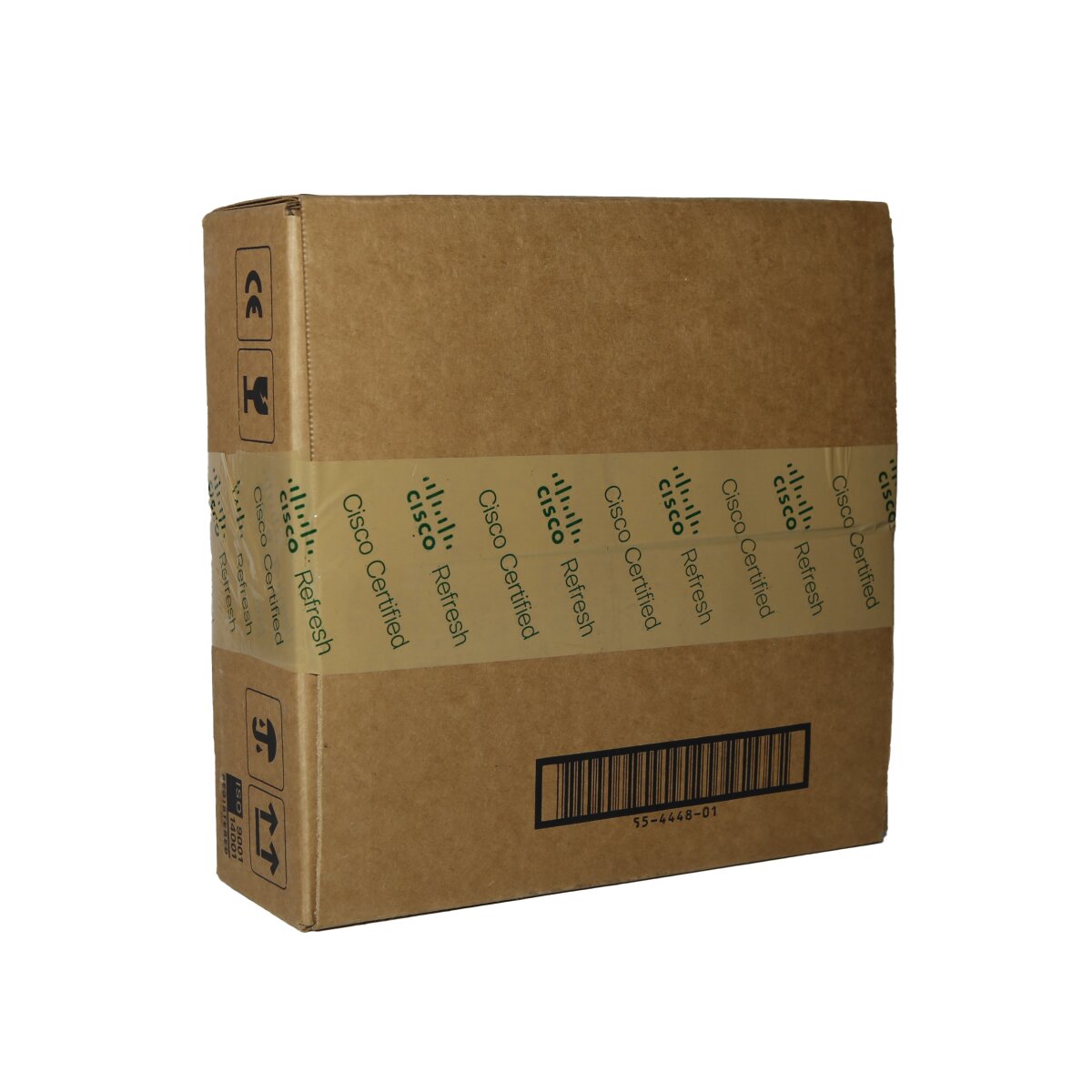
15216-ATT-LC-15-RF
- Cisco Approved Refurbished Equipment
- Standard Cisco Warranty
- Includes Cisco Right to Use License
- Official Cisco Relicensed Hardware
- Smart Net Approved and Eligible
- Valid IOS Loaded
Bulk Attenuator - LC Connector - 15dB REMANUFACTURED
15216-ATT-LC-15-RF End of Support Date (EOS):
Annual Contract - Support for 15216-ATT-LC-15-RF - Cisco SMARTnet - Software Support and Updates - Software Support Major and Minor Updates - 24 x 7 access to Cisco Technical Centre (TAC) - Extended Access to Cisco.com
£449.18
Annual Contract - Support for 15216-ATT-LC-15-RF - Cisco SMARTnet - No Engineer - Fault reporting 8 Hours a day, 5 days a week - Hardware replaced by Next Business Day - Software Support Major and Minor Updates - 24 x 7 access to Cisco Technical Centre (TAC) - Extended Access to Cisco.com
Annual Contract - Support for 15216-ATT-LC-15-RF - Cisco SMARTnet - No Engineer - Fault reporting 8 Hours a day, 5 days a week - Hardware replaced within 4 hours from fault diagnosis - Software Support Major and Minor Updates - 24 x 7 access to Cisco Technical Centre (TAC) - Extended Access to Cisco.com
Annual Contract - Support for 15216-ATT-LC-15-RF - Cisco SMARTnet - No Engineer - Fault reporting 24 Hours a day, 7 days a week - Hardware replaced within 4 hours from fault diagnosis - Software Support Major and Minor Updates - 24 x 7 access to Cisco Technical Centre (TAC) - Extended Access to Cisco.com
Annual Contract - Support for 15216-ATT-LC-15-RF - Cisco SMARTnet - No Engineer - Fault reporting 24 Hours a day, 7 days a week - Hardware replaced within 2 hours from fault diagnosis - Software Support Major and Minor Updates - 24 x 7 access to Cisco Technical Centre (TAC) - Extended Access to Cisco.com
Annual Contract - Support for 15216-ATT-LC-15-RF - Cisco SMARTnet - Engineer to install hardware - Fault reporting 8 Hours a day, 5 days a week - Software Support Major and Minor Updates - Hardware replaced by Next Business Day - 24 x 7 access to Cisco Technical Centre (TAC) - Extended Access to Cisco.com
Annual Contract - Support for 15216-ATT-LC-15-RF - Cisco SMARTnet - Engineer to install hardware - Fault reporting 8 Hours a day, 5 days a week - Software Support Major and Minor Updates - Hardware replaced within 4 hours from fault diagnosis - 24 x 7 access to Cisco Technical Centre (TAC) - Extended Access to Cisco.com
Annual Contract - Support for 15216-ATT-LC-15-RF - Cisco SMARTnet - Engineer to install hardware - Fault reporting 24 Hours a day, 7 days a week - Software Support Major and Minor Updates - Hardware replaced within 4 hours from fault diagnosis - 24 x 7 access to Cisco Technical Centre (TAC) - Extended Access to Cisco.com
Annual Contract - Support for 15216-ATT-LC-15-RF - Cisco SMARTnet - Engineer to install hardware - Fault reporting 24 Hours a day, 7 days a week - Software Support Major and Minor Updates - Hardware replaced within 2 hours from fault diagnosis - 24 x 7 access to Cisco Technical Centre (TAC) - Extended Access to Cisco.com
£314.18
Annual Contract - Support for 15216-ATT-LC-15-RF - Cisco Solution Support - No Engineer - Fault reporting 8 Hours a day, 5 days a week - Hardware replaced by Next Business Day - Software Support Major and Minor Updates - 24 x 7 access to Cisco Technical Centre (TAC) - Extended Access to Cisco.com
Annual Contract - Support for 15216-ATT-LC-15-RF - Cisco SMARTnet Solution Support - No Engineer - Fault reporting 8 Hours a day, 5 days a week - Hardware replaced within 4 hours from fault diagnosis - Software Support Major and Minor Updates - 24 x 7 access to Cisco Technical Centre (TAC) - Extended Access to Cisco.com
Annual Contract - Support for 15216-ATT-LC-15-RF - Cisco SMARTnet Solution Support - No Engineer - Fault reporting 24 Hours a day, 7 days a week - Hardware replaced within 4 hours from fault diagnosis - Software Support Major and Minor Updates - 24 x 7 access to Cisco Technical Centre (TAC) - Extended Access to Cisco.com
Annual Contract - Support for 15216-ATT-LC-15-RF - Cisco SMARTnet Solution Support - No Engineer - Fault reporting 24 Hours a day, 7 days a week - Hardware replaced within 2 hours from fault diagnosis - Software Support Major and Minor Updates - 24 x 7 access to Cisco Technical Centre (TAC) - Extended Access to Cisco.com
Annual Contract - Support for 15216-ATT-LC-15-RF - Cisco SMARTnet Solution Support - Engineer to install hardware - Fault reporting 8 Hours a day, 5 days a week - Hardware replaced by Next Business Day - Software Support Major and Minor Updates - 24 x 7 access to Cisco Technical Centre (TAC) - Extended Access to Cisco.com
Annual Contract - Support for 15216-ATT-LC-15-RF - Cisco SMARTnet Solution Support - Engineer to install hardware - Fault reporting 8 Hours a day, 5 days a week - Hardware replaced within 4 hours from fault diagnosis - Software Support Major and Minor Updates - 24 x 7 access to Cisco Technical Centre (TAC) - Extended Access to Cisco.com
Annual Contract - Support for 15216-ATT-LC-15-RF - Cisco SMARTnet Solution Support - Engineer to install hardware - Fault reporting 24 Hours a day, 7 days a week - Hardware replaced within 4 hours from fault diagnosis - Software Support Major and Minor Updates - 24 x 7 access to Cisco Technical Centre (TAC) - Extended Access to Cisco.com
Annual Contract - Support for 15216-ATT-LC-15-RF - Cisco SMARTnet Solution Support - Engineer to install hardware- Fault reporting 24 Hours a day, 7 days a week - Hardware replaced within 2 hours from fault diagnosis - Software Support Major and Minor Updates - 24 x 7 access to Cisco Technical Centre (TAC) - Extended Access to Cisco.com
Our simple online tool provides pricing for all of your Cisco Smart Net options, including serial number lookup and estate pricing.
Cisco SmartNet PricesPLEASE NOTE: Every effort has been made to ensure the accuracy of all information contained herein. IT Help and Support Centre Ltd makes no warranty expressed or implied with respect to accuracy of this information, including price, product editorials or product specifications. IT Help and Support Centre Ltd or its suppliers shall not be liable for incidental, consequential or special damages arising from, or as a result of, any electronic transmission or the accuracy of the information contained herin, even if IT Help and Support Centre Ltd has been advised of the possibility of such damages. Product and manufacturer names are used only for the purpose of identification.